
- Team
- 2 My brother and me, in very little time.
- Downloads
- 1,000+ Mostly friends, and their friends.
- To send
- 1 tap A saved recording, from a widget on Android.
- In the cloud
- 0 Every recording stayed on the phone, so running costs were tiny.
The bet
A text from your mother is just text. Her voice is her.
Chats, texts and emails lack the warmth of a voice, even more when it’s the voice of someone you love: a mother, a brother, a partner. Instalk and Echo came from the same seed. The first idea was simply to send voice messages to your contacts, like texts but spoken, and it grew into Echo, with public posts, proximity and communities. Later my brother and I picked the original idea back up as a garage project. We had the knowledge, the time and the developer accounts, so why leave it in a drawer?

Decisions
Say it once, send it forever
- What we saw
In Argentina, and across much of Latin America, when you leave someone’s house you let them know you got home safe.
- We built
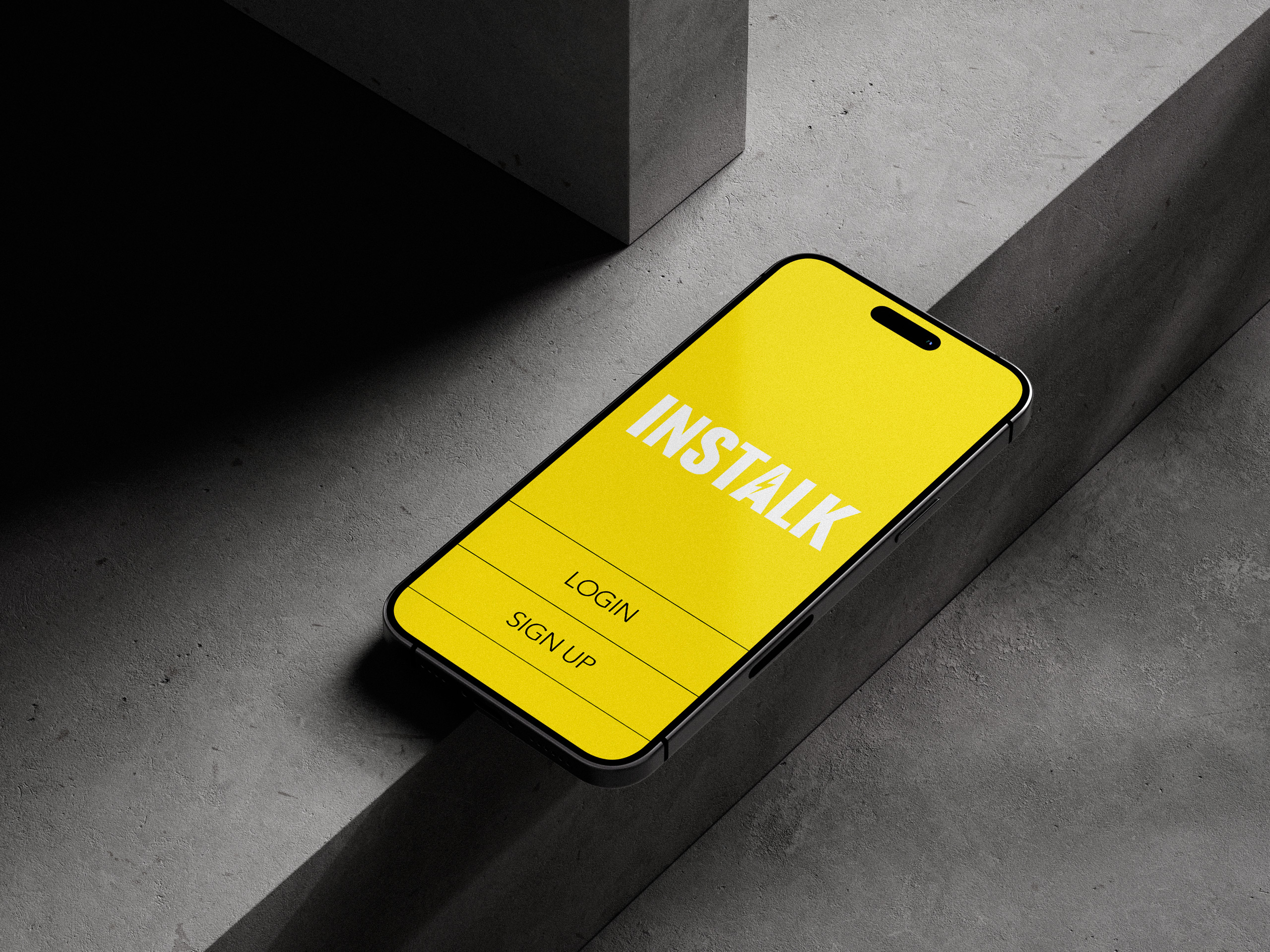
A library of your own recordings, each with the name you chose. Record “Ya llegué, mamiii!” (I’m home, mum!) once, and the next time you walk in the door, tap a button and it’s sent. No recording, no sending, nothing else.
- On Android
Your recordings could sit on the home screen as a widget, one tap away.
- The name
Instant talk. That’s where Instalk comes from.
Voice only, until people disagreed
- I wanted
Nothing but voice: no text, no images. I was quite radical about it.
- People wanted
Everyone who tried it asked to send a picture with their audio.
- So we added
Images attached to voice messages. It turned out to be great fun: people made compositions and very funny memes.
Don’t lose the first word
- The problem
When you started recording, the first word could get clipped. Quality and latency weren’t good enough.
- We chose
Our own native recorder, preloaded and ready to go, with a few tricks to cut the delay.
- The result
We got it working pretty well. Speed was the whole point of the app.
Let it go
- What happened
WhatsApp had launched voice notes in 2013, and little by little they became the standard.
- We chose
To switch Instalk off in March 2015, instead of fighting a giant.
- Why
We had neither the time nor the money to compete, even though our users told us Instalk was far better than what WhatsApp offered then, and a lot more fun.
What we got wrong
We never took it seriously enough.
It was a project for fun, a private chat for our friends and family more than a real product, even though the finish and the experience were top level. The timing was off. And we spent time on live location, shared for a set period of time and added at the last minute. It was hardly used, it didn’t work well, and it didn’t make sense.
If I did it today
Just the core
A product focused on the heart of the idea, and nothing else.
Maybe video
Short video clips, or the choice between audio and video.
A second life
It wouldn’t be very different, just far easier to build and to keep running. Maybe it’s time to bring it back.
Some messages are rituals. They deserve a button.

