Context
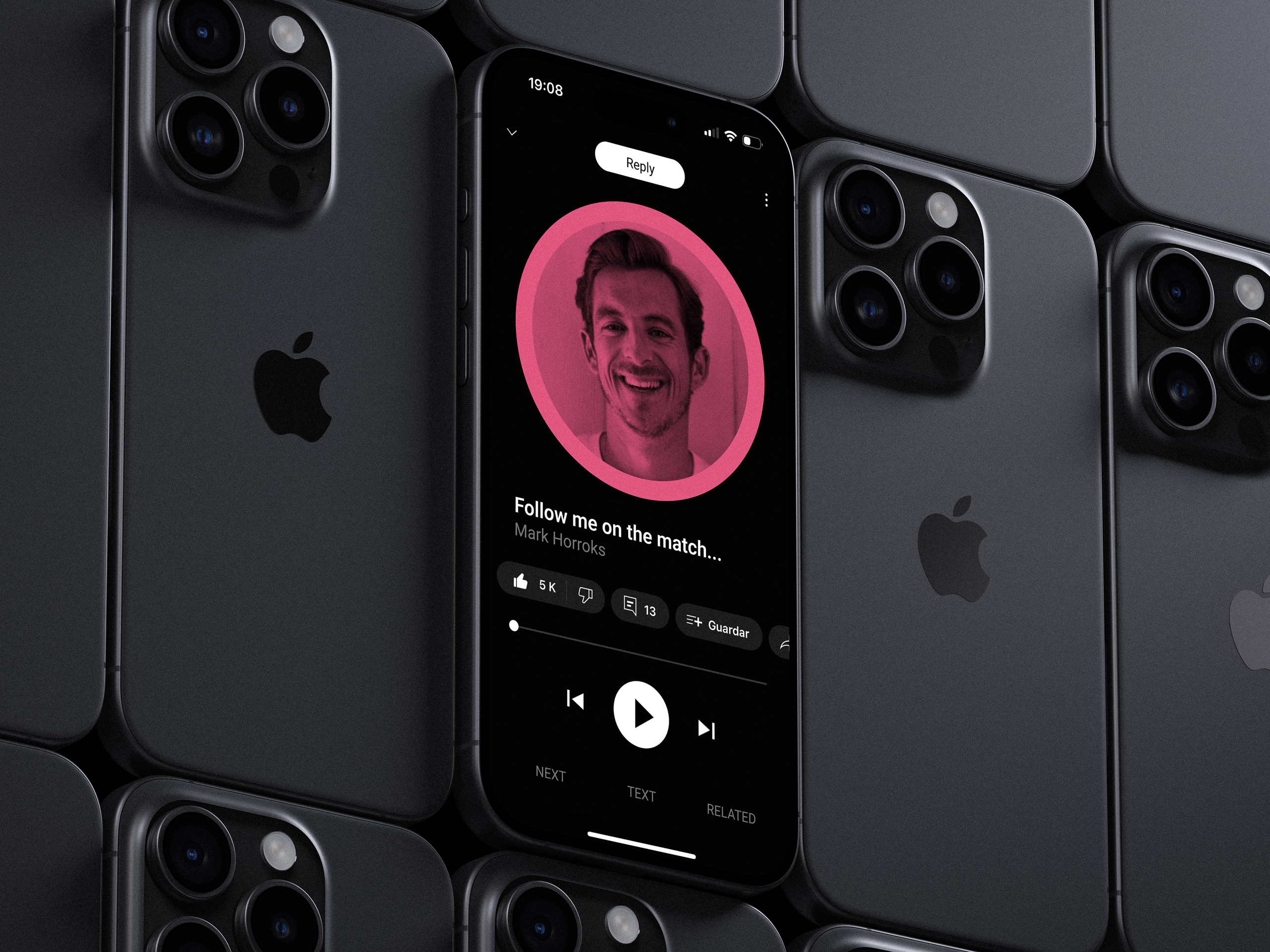
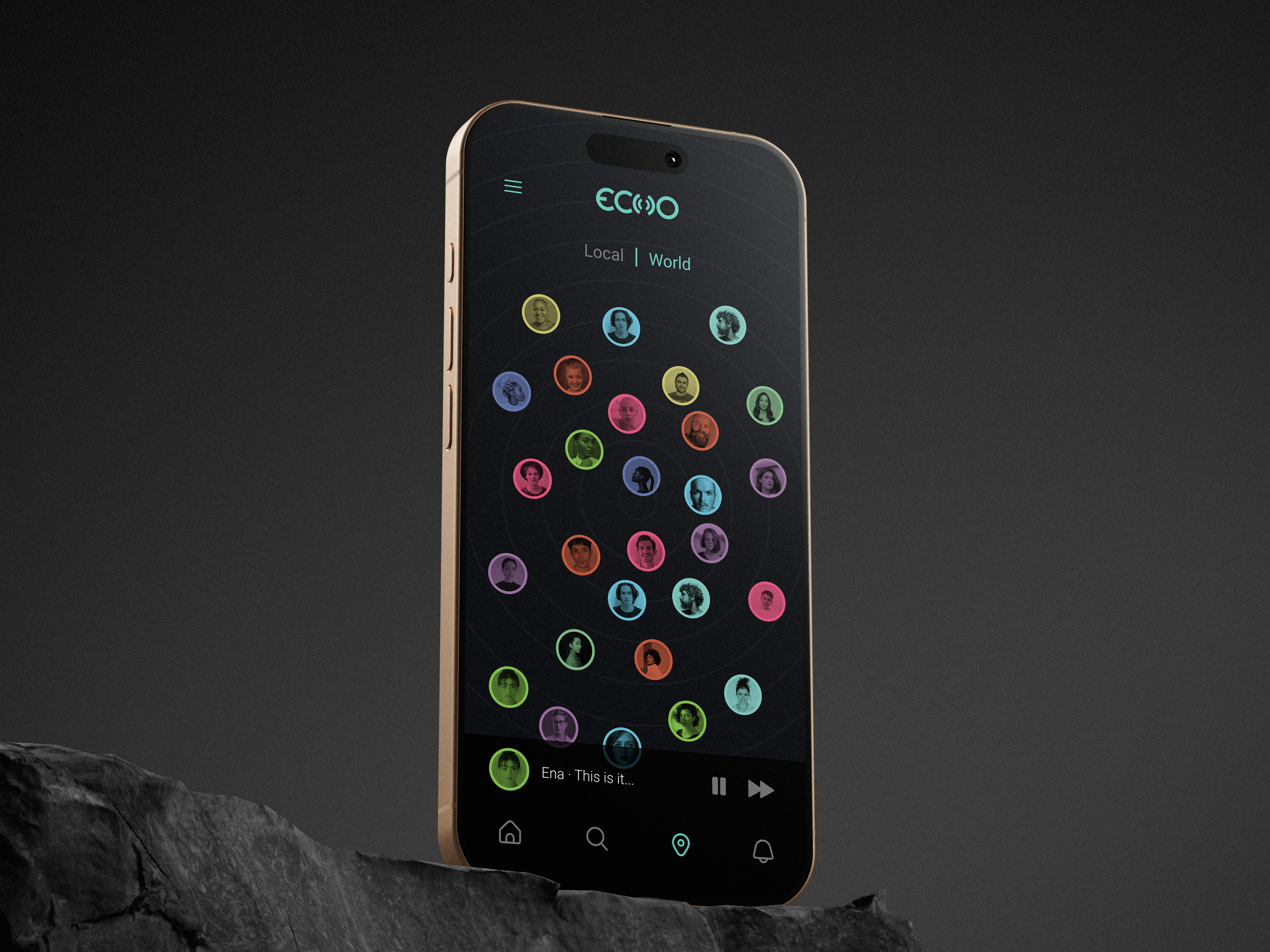
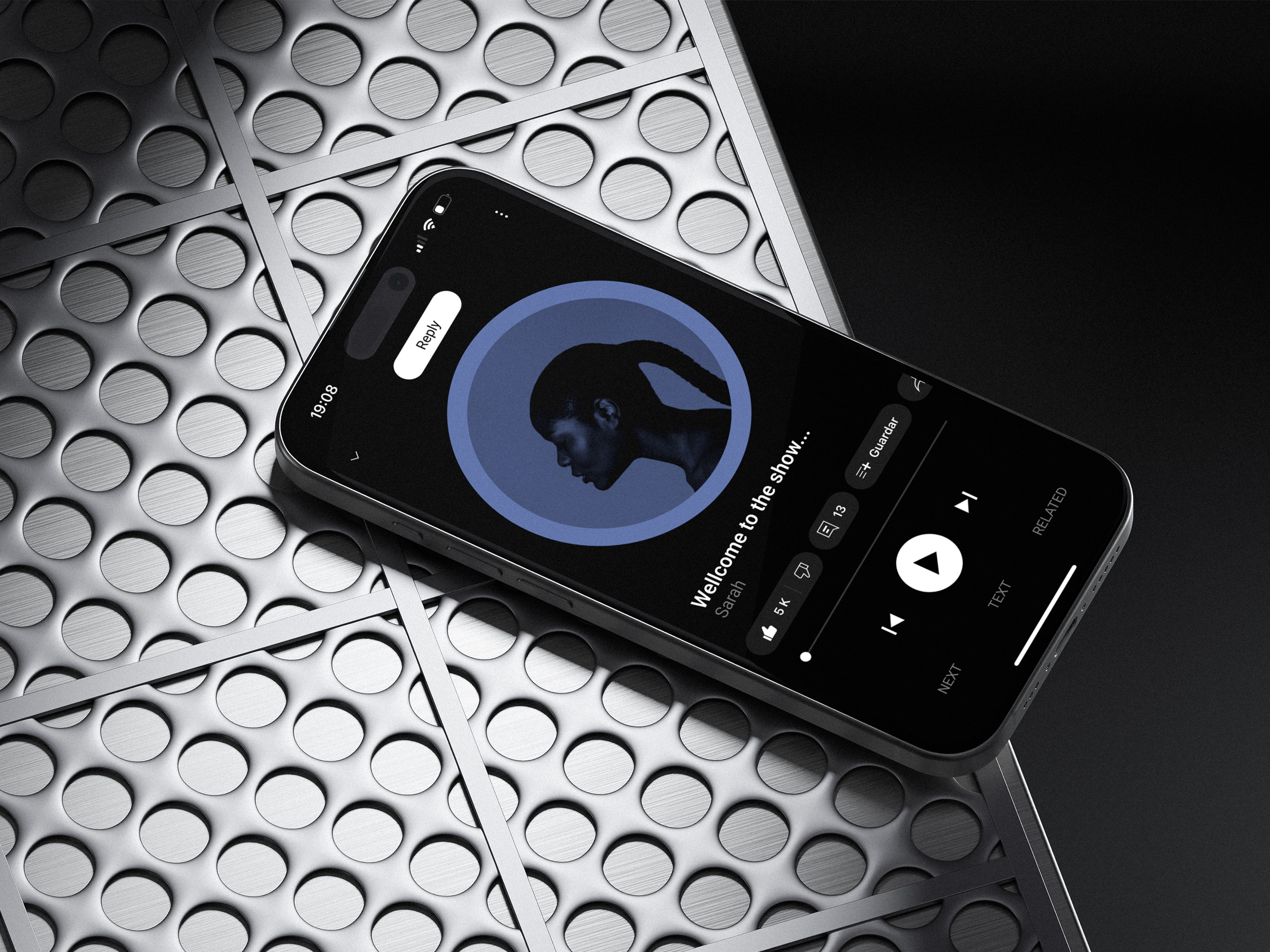
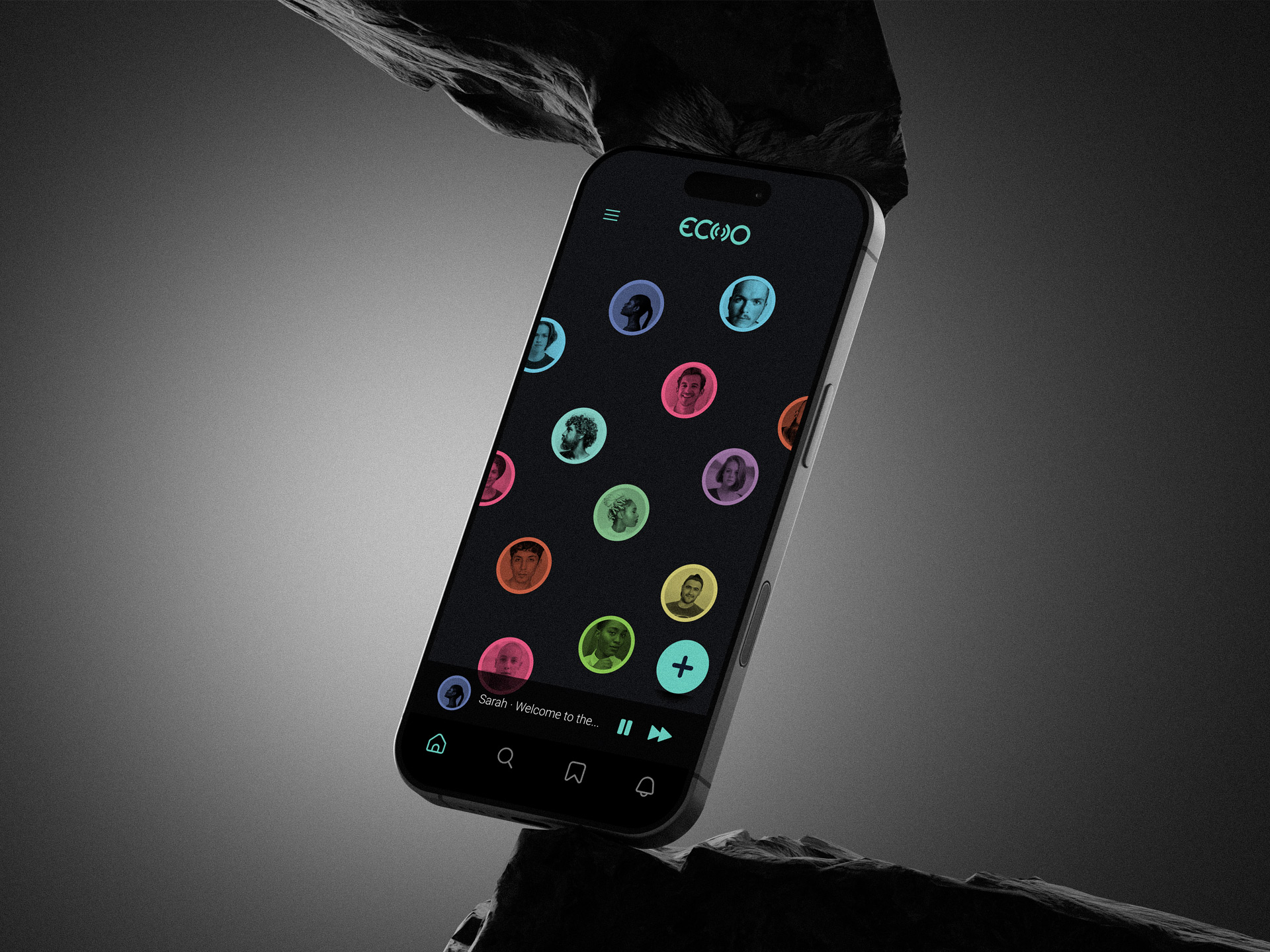
In 2013 I moved to London to co-found a voice-based social network. Smartphones were young, audio was a second-class citizen on the internet, and nobody knew how to search something that had been spoken. We decided to fix that.
The problem
Voice is the most human way to share information and back then, the least usable. Early smartphones couldn't properly record, organize, search or play back audio at scale. On top of the technical wall, there was a human one: people are uncomfortable hearing their own recorded voice, which sounds higher-pitched than the voice they hear in their head. To build a social network on audio, we had to solve technology, behavior and perception at once.
My role & decisions
I founded the company and drove the vision and product concept end to end.
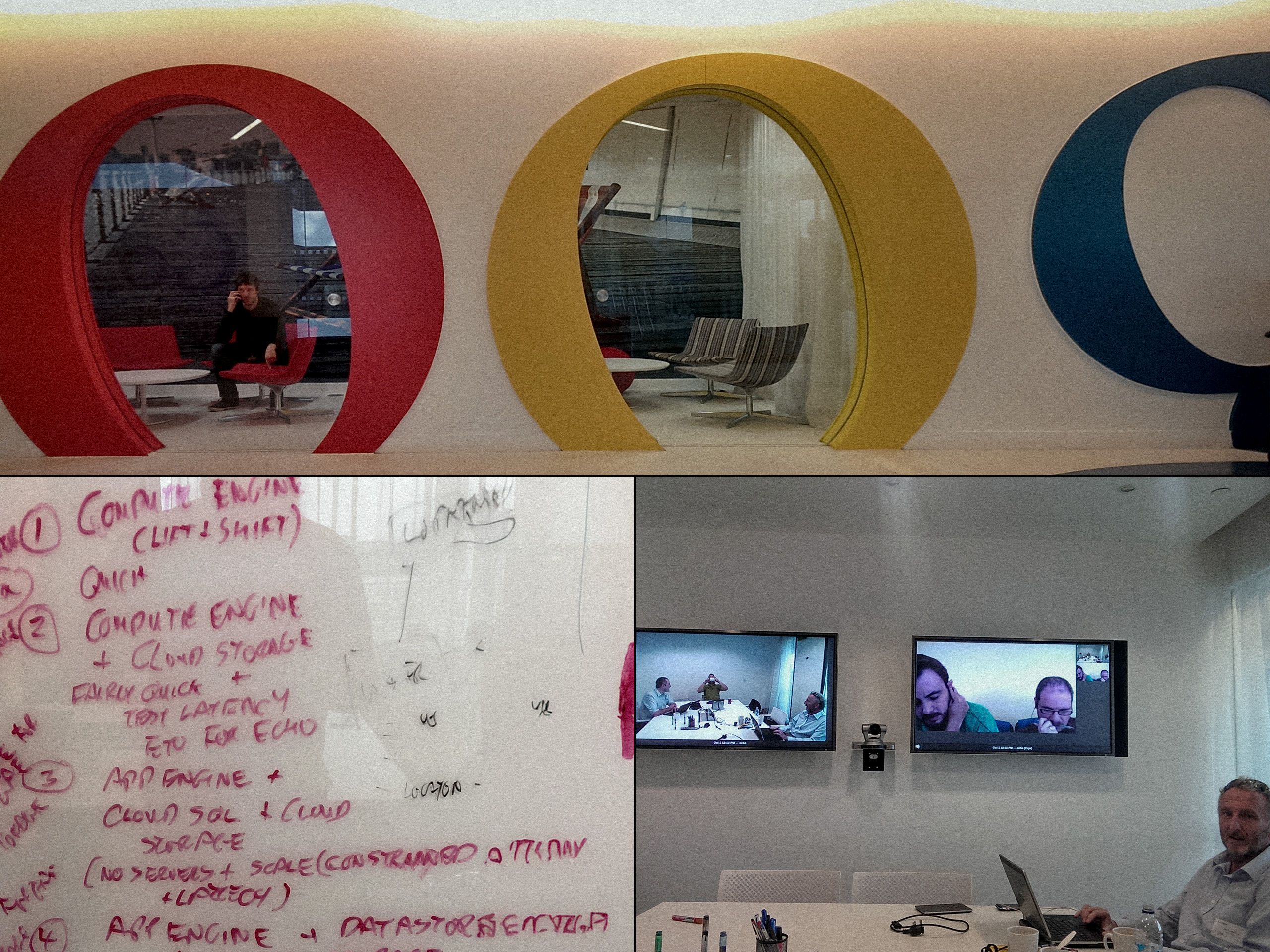
- We pitched Microsoft, Amazon and Google, finally partnered with Google, whose technology and the personal support of leaders like Tom Grey convinced us. We worked weekly at their London HQ, alongside YouTube's Head of Development and Matias Duarte, Android's Head of Design.
- With the early Google Assistant team we built real-time transcription of every Echo recording, making audio fully searchable and indexable years before voice assistants made that mainstream.
- We designed an algorithm that subtly deepened the user's recorded voice (calibrated for men and women), reducing self-voice discomfort and making people actually willing to post audio.
- I structured the project around a fast MVP: a team spread across Spain, Argentina and the UK, working remote and async, shipping in under six months.
- Beyond design, I ran investor relations, board meetings, legal and finance the full weight of a founder's job.
Outcome
We launched the MVP after five months at an event in Google's London offices, with around 500 attendees. The first polished version followed within a year, shipping 80% of the planned features. Then a large tech company offered to acquire Echo Limited and its intellectual property — and after long discussions with the board, we sold.
Today, much of the technology we developed lives in products used by millions of people. However, we'll never know what could have been if we had fully launched Echo. The world is listening.
Why this matters now
Every question we wrestled with in 2013, how machines should listen, transcribe, search and respect the human voice, is the same question conversational AI products are answering today. I've had a decade's head start.
** Some mockups have been updated to look current.